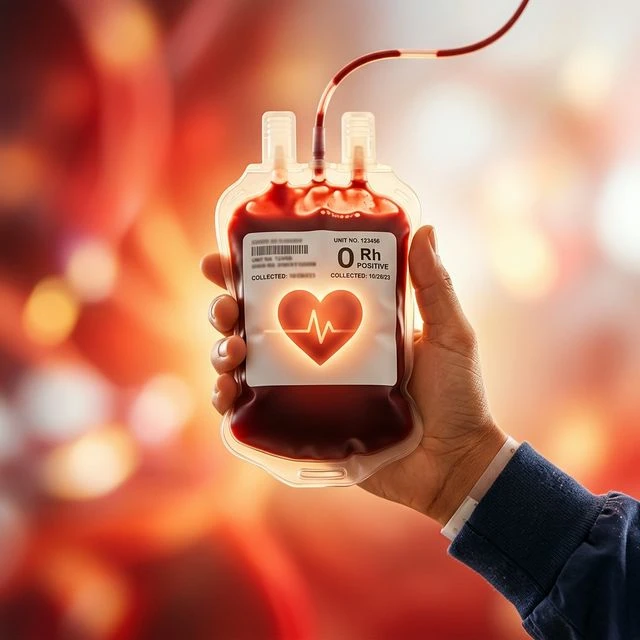

Every two seconds, someone in India needs blood. That is not a statistic pulled from a dramatic advertisement. That is the quiet, steady reality of hospitals, emergency rooms, and cancer treatment centers running around the clock. And yet, less than 7% of the eligible population actually donates blood regularly.
If you have ever wondered whether blood donation is worth your time, or whether it actually makes a difference, this post is for you. Because the truth is, donating blood does not just save lives. It changes them, including your own.
🩸 What Happens When You Donate Blood?
Before we get into the benefits, it helps to understand what the process actually looks like. A typical whole blood donation takes about 8 to 10 minutes. The entire appointment — including registration, a mini health screening, donation, and a short rest with snacks — takes roughly an hour.
Your donated blood is then separated into components: red blood cells, plasma, and platelets. This means a single donation can potentially help up to three different patients. One hour of your time, three lives touched. That math is hard to argue with.
🏥 The Benefits of Donating Blood for Recipients
1. It Saves Lives in Emergency Situations
Accident victims, trauma patients, and people undergoing major surgeries all depend on a steady supply of donated blood. There is no synthetic substitute for human blood. When supply runs low, surgeries get delayed, treatment plans change, and outcomes suffer. Your donation is not sitting in a warehouse collecting dust. It is going directly into someone who needs it to survive.
2. It Supports Cancer Patients
Cancer treatment, particularly chemotherapy, often destroys healthy blood cells along with cancerous ones. Many cancer patients require frequent blood transfusions throughout their treatment. Leukemia patients, in particular, may need blood products multiple times a week. Regular blood donors are the backbone of oncology care.
3. It Helps People With Chronic Illnesses
Conditions like sickle cell disease, thalassemia, and aplastic anemia require ongoing transfusions for patients to maintain a functional quality of life. For these individuals, donated blood is not a one-time emergency resource. It is a lifelong necessity.
4. It Supports Mothers and Newborns
Complications during childbirth remain one of the leading causes of maternal death worldwide. Severe hemorrhage after delivery can turn a joyful moment into a crisis within minutes. Blood transfusions save the lives of mothers and, by extension, the families that depend on them. Premature babies and newborns with certain conditions also frequently need transfusions to survive their earliest days.
💪 The Benefits of Donating Blood for the Donor
Here is where things get genuinely surprising. Most people donate because they want to help others. What they do not expect is how much donating benefits their own health in return.
5. You Get a Free Mini Health Screening
Every time you donate blood, you receive a complimentary health check. Trained staff measure your blood pressure, pulse, hemoglobin levels, and body temperature before the donation. Your blood is also tested for various infectious diseases after collection.
This means regular donors are often the first to catch early warning signs of conditions like high blood pressure, low iron, or infections they were not aware of. Think of it as a built-in wellness check-up that also helps someone else.
6. It May Reduce Your Risk of Heart Disease
This is one of the most talked-about health benefits of blood donation among researchers. High iron levels in the blood have been associated with increased oxidative stress, which can damage blood vessels and raise the risk of cardiovascular disease. Regular blood donation helps reduce excess iron, which some studies suggest may lower the risk of heart attacks and strokes.
While the research is still ongoing, the connection between blood donation and heart health is compelling enough that many cardiologists consider it a positive lifestyle habit.
7. It Burns Calories
You read that correctly. The process of your body replenishing the donated blood requires energy. According to research, donating one pint of blood can burn approximately 650 calories as your body works to restore its blood supply.
This is not a weight-loss strategy, of course, but it is a pleasant side effect for a generous act.
8. It Stimulates Blood Cell Production
When you donate blood, your body immediately begins working to replace what was given. This process stimulates the bone marrow to produce fresh, new blood cells. Some researchers believe this renewal process has long-term benefits for the circulatory system, keeping it functioning more efficiently over time.
9. It Can Reduce the Risk of Certain Cancers
Some studies have found a connection between regular blood donation and a reduced risk of cancers, including liver, lung, colon, and throat cancer. The theory, again, ties back to iron reduction. Excess iron in the body can contribute to the production of free radicals — unstable molecules that can damage cells and trigger cancerous changes.
Note: This is an area of ongoing research. Blood donation is not a cancer prevention strategy, but it is one small piece of maintaining iron balance and overall cellular health.
10. It Improves Your Emotional and Mental Well-Being
There is a psychological dimension to blood donation that does not get nearly enough attention. Numerous studies on volunteering and altruistic behavior have shown that helping others triggers the release of endorphins — the same feel-good hormones associated with exercise and laughter.
Donors consistently report feeling a sense of purpose, connection, and emotional satisfaction after donating. In a world where stress and anxiety are epidemic, that kind of natural mood boost is genuinely valuable.
🌍 Blood Donation and Community Health
11. It Strengthens the Local Healthcare System
Blood cannot be manufactured or imported easily. It has a limited shelf life — red blood cells last about 42 days, platelets last only 5 days. This means every community needs a continuous, local supply of donors to keep hospitals functioning.
When you donate in your city or region, you are directly investing in the healthcare infrastructure that protects your family, your neighbors, and yourself.
12. It Builds a Culture of Giving
Communities with high blood donation rates tend to have stronger social cohesion and a more ingrained culture of mutual support. When donating blood becomes a normal, expected act, it shifts the community's relationship with healthcare from passive to participatory. You are not just a patient waiting to receive care. You are an active contributor to the system.
✅ Who Can Donate Blood?
Most healthy adults between the ages of 17 and 65 are eligible to donate whole blood. The basic general requirements are:
-
✓
You should weigh at least 45 kg (roughly 100 lbs)
-
✓
You should be in generally good health on the day of donation
-
✓
You should not have donated whole blood in the last 3 months (males) or 4 months (females) per DGHS India
Certain medications, travel histories, or health conditions may affect your eligibility. The best way to know for sure is to visit a donation center and go through the brief screening process. Do not assume you cannot donate without checking first. Many people are surprised to learn they are perfectly eligible.
📅 How Often Can You Donate?
Whole Blood
Every 3 months (males) / 4 months (females) As per DGHS India guidelines
Platelets
Every 7 days, up to 24 times per year
Plasma
Every 28 days
Power Red
Every 112 days (concentrated red cell donation)
This means a committed donor can potentially save dozens of lives every single year through consistent, regular donations.
❌ Common Myths About Blood Donation — Debunked
-
✗
Myth: Donating blood will make me feel weak for days.
Reality: Most donors feel completely normal within a few hours. Drinking extra fluids and having a healthy snack after donation is usually all it takes to bounce back quickly. -
✗
Myth: The needle hurts terribly.
Reality: There is a brief pinch when the needle is inserted, but most donors report the discomfort is minimal and passes within seconds. -
✗
Myth: I have a common blood type so my donation is not important.
Reality: Common blood types are actually needed in the greatest quantities precisely because they are in the highest demand. Every type matters. -
✗
Myth: I am too old to donate.
Reality: In many regions, there is no upper age limit for blood donation as long as you are in good health. Consult with your donation center to confirm local guidelines.
🌟 A Personal Act With a Universal Impact
There is something quietly extraordinary about blood donation. It requires no special skill, no significant financial investment, and no heroic gesture. It asks only for an hour of your time and a willingness to show up for a stranger you will never meet.
The person who receives your blood does not know your name. They will not be able to thank you. But somewhere, in a hospital room or an operating theater or a neonatal unit, your decision to donate will be the reason a heart keeps beating.
At LifeSavers United, we believe that a healthier world is built on small, consistent acts of generosity. Blood donation is one of the most direct, proven, and powerful ways to contribute to that vision. Whether you are a first-time donor or a longtime regular, your contribution matters more than you know.
Share this post if you believe in the power of giving. Every share could inspire a first-time donor, and every first-time donor could save up to three lives.
Ready to make a difference?
Visit lifesaversunited.org to find a blood drive near you, check your eligibility, and take the first step toward becoming someone's lifesaver.