👋 Introduction: Not All Donation Is the Same
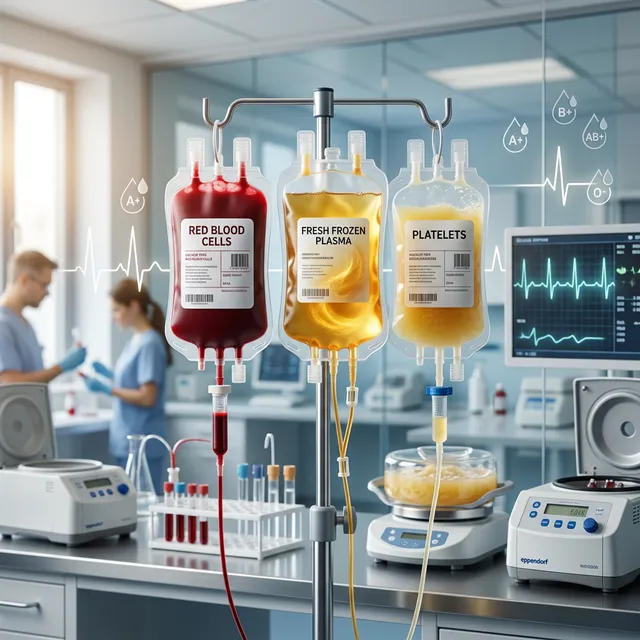
Not all blood donation is the same. When a cancer patient walks into a hospital, they may need platelets not whole blood. When a burn victim arrives in the ICU, they may desperately need plasma. When a premature newborn needs a transfusion, they need packed red blood cells.
The type of donation matters as much as the act of donating itself.
Yet most people only know one kind of donation the whole blood donation at a camp or blood bank. India needs far more donors who understand the full range of options and choose the type that their body and their community needs most.
This guide covers every major type of blood donation what it is, who needs it, who can give it, and exactly what happens during the process.
🩸 TYPE 1: WHOLE BLOOD DONATION
The most common · The foundation of blood banking · The starting point for every donor
What Is It?
Whole blood donation is the most familiar form of donation. When you walk into a blood camp and a nurse draws blood from your arm into a bag that is whole blood donation. The donated blood is later separated in the lab into its components: red blood cells, platelets, and plasma. One whole blood donation can therefore save up to three different lives.
Which Patients Need It?
Whole blood or its components are used for:
- Accident and trauma victims with sudden, massive blood loss
- Patients undergoing major surgeries cardiac surgery, organ transplants, hip replacements
- Women experiencing severe postpartum haemorrhage during or after childbirth
- Patients with severe anaemia including iron deficiency anaemia and aplastic anaemia
- Children and adults with sickle cell disease during a crisis
- Patients with gastrointestinal bleeding or internal injuries
Who Can Donate?
The Process Step by Step
-
1.
Registration: You arrive at the blood bank or camp and fill a donor registration form with basic personal details.
-
2.
Pre-donation Screening: A trained health worker checks your haemoglobin using a finger-prick test. Blood pressure, pulse, weight, and temperature are also recorded. A brief medical history questionnaire is filled.
-
3.
Informed Consent: You sign a consent form confirming you are donating voluntarily and have disclosed your complete medical history truthfully.
-
4.
The Donation: You lie or sit comfortably. A trained phlebotomist cleans the inner elbow area with antiseptic and inserts a sterile needle into your vein. Approximately 350–450 ml of blood is collected into a sterile, sealed blood bag containing anticoagulant solution. The entire collection takes about 8 to 10 minutes.
-
5.
Post-donation Care: The needle is removed and gentle pressure is applied. You rest for 10 to 15 minutes. The blood bank provides refreshments glucose drink, biscuits, or fruit. You are advised to drink extra fluids, avoid heavy exercise for the rest of the day, and not smoke for at least two hours.
-
6.
Lab Processing: Your donated blood is sent to the lab where it is tested for HIV, Hepatitis B, Hepatitis C, Syphilis, and Malaria. It is then separated by a centrifuge into packed red blood cells, platelet concentrate, and fresh frozen plasma three separate life-saving products.
Total time at the donation centre: approximately 45 minutes to 1 hour.
🟡 TYPE 2: SDP SINGLE DONOR PLATELET (Apheresis)
The most needed · The most misunderstood · The donation that fights cancer directly
What Is It?
SDP stands for Single Donor Platelets. It is a specialised form of donation where only platelets are collected from the donor using a machine called an apheresis machine. The rest of the blood red blood cells and plasma is returned back into the donor's body during the same session.
One SDP donation gives a patient a full therapeutic dose of platelets from a single donor. This is far safer than Random Donor Platelets (RDP), which require pooling platelets from 4 to 6 different whole blood donations increasing the risk of transfusion reactions and infections.
SDP is considered the gold standard of platelet donation worldwide.
Which Patients Need It?
SDP platelets are critically needed for:
- Cancer patients especially those undergoing chemotherapy or radiation, which destroys platelets along with cancer cells. Leukaemia (blood cancer) patients need SDP repeatedly throughout their treatment
- Thalassemia major patients children who require regular transfusions
- Dengue patients severe dengue causes a dangerous and rapid fall in platelet count (thrombocytopaenia), which can cause fatal internal bleeding
- Aplastic anaemia patients where the bone marrow stops producing blood cells
- Patients after bone marrow transplants their body cannot produce platelets during recovery
- Patients with ITP (Immune Thrombocytopaenic Purpura) an autoimmune condition causing platelet destruction
- Premature and critically ill newborns who require small but pure platelet transfusions
- Patients before or after major surgeries where platelet counts are dangerously low
Platelets have a shelf life of only 5 days. This means blood banks need SDP donors constamment, every single week.
Who Can Donate?
The Process Step by Step
-
1.
Eligibility Check: A complete blood count (CBC) test is done at the blood centre to confirm your platelet count is adequate. This takes about 20 to 30 minutes.
-
2.
Pre-donation Screening: Blood pressure, weight, pulse, temperature, and haemoglobin are verified same as whole blood.
-
3.
The Apheresis Machine Setup: You are seated in a reclining chair. A sterile needle is inserted into a vein usually in the arm. In some machines, two needles are used (one in each arm). The needle is connected to a closed, sterile tube circuit that feeds into the apheresis machine.
-
4.
The Collection Process: The machine draws blood from your body in cycles. In each cycle, the machine spins the blood using centrifugal force to separate the platelets (which are lighter and appear as a yellowish layer). The platelets are collected into a collection bag. Your red blood cells and plasma are mixed with a saline solution and anticoagulant and returned back into your body through the same or second needle. This cycle repeats automatically throughout the session.
-
5.
During the Session: You remain comfortable and mostly still. Most donors read, watch something on their phone, or simply rest. A trained technician monitors the machine and your vitals throughout.
-
6.
Completion: Once the required volume of platelets is collected, the machine stops. The needle is removed, pressure is applied, and you rest briefly. Refreshments are provided.
-
7.
Post-donation: Your body replenishes platelets within 48 to 72 hours. You may feel mild fatigue or slight tingling (from the anticoagulant) during the session this is normal and passes quickly.
Total time: approximately 1.5 to 2.5 hours.
🟠 TYPE 3: PLASMA DONATION (Plasmapheresis)
The liquid lifesaver · Critical for burns, liver disease, and immunity
What Is It?
Plasma is the pale yellow liquid component of blood it makes up about 55% of total blood volume. It carries clotting factors, antibodies, proteins, hormones, and nutrients. In plasma donation (plasmapheresis), only plasma is collected using the apheresis machine, and red blood cells are returned to the donor.
A special form called Convalescent Plasma became well-known during COVID-19 plasma from recovered patients was donated to critically ill patients to transfer antibodies.
Which Patients Need It?
- Severe burn patients they lose enormous volumes of plasma through damaged skin; plasma infusion prevents shock and organ failure
- Liver disease and liver failure patients the liver produces clotting proteins; when it fails, plasma provides these factors
- Patients with clotting disorders haemophilia A and B, Von Willebrand disease, and DIC (Disseminated Intravascular Coagulation)
- Patients in septic shock plasma restores blood volume and pressure rapidly
- Patients needing FFP (Fresh Frozen Plasma) before emergency surgeries when clotting factors are critically low
- Children with immune deficiencies plasma provides immunoglobulins (antibodies)
- Snake bite victims plasma supports the body while antivenom takes effect
Who Can Donate?
The Process Step by Step
-
1.
Screening: Full blood count, protein levels, and general health check are completed. This ensures your plasma protein levels are healthy enough to donate.
-
2.
Setup: A needle is inserted into a vein. The apheresis machine draws blood and separates plasma using centrifugal force or membrane filtration.
-
3.
Collection: Plasma is collected into a sterile bag. Your red blood cells and platelets are returned to your body with saline.
-
4.
Completion: Once 600–800 ml of plasma is collected, the process ends. You rest and have refreshments. Your plasma replenishes within 24 to 48 hours the fastest recovery of any donation type.
Total time: approximately 45 minutes to 1.5 hours.
🔴 TYPE 4: DOUBLE RED CELL DONATION (2RBC Apheresis)
Double the impact · Same visit · For the rarest blood types
What Is It?
In double red cell donation, the apheresis machine collects twice the normal amount of red blood cells from a single donor in a single session. Plasma and platelets are returned to the donor's body. This type is especially valuable for donors with rare or universally compatible blood types like O negative.
Which Patients Need It?
- Emergency and trauma patients O negative packed red blood cells are given immediately in emergencies before blood type is known
- Severe anaemia patients including aplastic anaemia, sickle cell anaemia, and thalassemia
- Surgical patients requiring large volumes of compatible red blood cells
- Premature infants needing small, safe, pure red blood cell transfusions
- Patients with chronic conditions requiring regular red cell transfusions (sickle cell disease, thalassemia)
Who Can Donate?
The Process Step by Step
-
1.
Eligibility Confirmation: Height, weight, and haemoglobin are carefully verified. Only donors who meet all thresholds are approved.
-
2.
Setup: Two needles may be used (one in each arm) or a single needle with the machine managing the cycle. The apheresis machine is programmed for a double red cell collection protocol.
-
3.
Collection: Red blood cells are separated and stored. Plasma and platelets are mixed with saline and returned to your body. The machine runs through multiple cycles.
-
4.
Completion: Rest and refreshments follow. Recovery note: You must wait at least 112 days (16 weeks) before donating again longer than whole blood donation.
Total time: approximately 30 to 45 minutes of actual collection, plus screening time.
🟢 TYPE 5: GRANULOCYTE DONATION (Granulocytapheresis)
The rarest donation · For patients fighting infections when nothing else works
What Is It?
Granulocytes are a type of white blood cell the soldiers of your immune system. They attack and destroy bacterial and fungal infections. Granulocyte donation is an extremely specialised, rare form of apheresis where only white blood cells (granulocytes) are collected.
This donation is almost always done for a specific, named patient not for general blood bank inventory.
Which Patients Need It?
- Bone marrow transplant patients their immune system is completely wiped out before transplant; granulocytes help fight infections during the window before the new marrow starts producing white cells
- Patients with severe neutropenia dangerously low white blood cell count, usually caused by chemotherapy
- Patients with life-threatening fungal or bacterial infections who are not responding to antibiotics or antifungals
- Children with Chronic Granulomatous Disease (CGD) a rare inherited immune disorder
Who Can Donate?
The Process Step by Step
-
1.
Pre-donation Injection: 12 to 24 hours before donation, you receive a G-CSF injection (sometimes also a steroid injection). This temporarily increases granulocyte production in your bone marrow. You may feel mild bone ache or flu-like symptoms this is normal and passes within 24 to 48 hours.
-
2.
Apheresis Collection: The next day, you come to the blood centre. Blood is drawn through the apheresis machine, granulocytes are separated and collected, and the remaining blood is returned to your body.
-
3.
Completion: The collection takes about 1 to 2 hours. The collected granulocytes must be transfused to the patient within 24 hours they cannot be stored.
Total time: approximately 1.5 to 2 hours on collection day.
📊 QUICK REFERENCE: Which Donation for Which Condition?
| Condition / Disease | Donation Type Needed |
|---|---|
| Accident / Trauma / Surgery | Whole Blood / Packed RBC |
| Cancer (Leukaemia, Lymphoma) | SDP Platelets |
| Dengue Fever | SDP Platelets |
| Thalassemia Major | Packed RBC / SDP |
| Aplastic Anaemia | SDP + Packed RBC |
| Severe Burns | Plasma (FFP) |
| Liver Failure | Plasma (FFP) |
| Haemophilia | Plasma / Cryoprecipitate |
| Bone Marrow Transplant | SDP + Granulocytes |
| Sickle Cell Disease | Packed RBC / Double RBC |
| Severe Infections (post-chemo) | Granulocytes |
| Emergency (unknown blood type) | O Negative Double RBC |
| Postpartum Haemorrhage | Whole Blood / Packed RBC |
| Newborn / Premature Infant | Packed RBC / SDP |
| Septic Shock | Plasma (FFP) |
❤️ Final Words: Every Type of Donation Is a Different Kind of Heroism
A whole blood donor gives the foundation. An SDP donor gives a fighting chance to a child with cancer. A plasma donor saves a burn patient from shock. A double RBC donor stocks the emergency room for the unknown patient rushing through the door at midnight. A granulocyte donor becomes the immune system for someone who has none.
You do not have to give everything. You just have to give what you can.
Find your nearest licensed blood centre. Ask them what type of donation your blood group and health profile is best suited for. Then walk in and give.
Because somewhere right now, a patient is waiting. And only you can help.
Ready to make a difference?
Learn more or register today to save lives!
Sources:
DGHS Ministry of Health & Family Welfare | NBTC | WHO Blood Safety Guidelines | Transfusion Medicine Technical Manual, 3rd Edition (2023)